Event Project Management: Key Steps
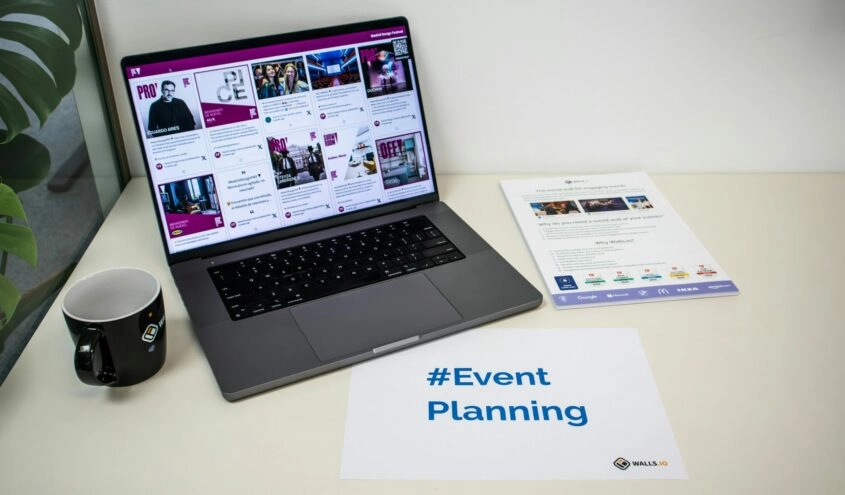
What are the steps involved in managing an event project? From conception to evaluation, organizing an event involves three main phases: before, during, and after the event.
The role of the event project manager is to coordinate each of these steps to ensure the project’s coherence, the quality of the experience, and the achievement of the established objectives.
The pre-event phase is not limited to the technical organization of an event; it involves fundamental work in strategic consulting, creative design, and crafting a memorable experience. This is where business objectives are analyzed and the event’s added value is defined.
Before tackling logistics, the event project manager breaks down the brief, analyzes the competitive landscape, and deciphers the target audience’s underlying expectations:
These strategic framework elements are an essential step in event project management; they will guide the entire concept, from the choice of format to the design decisions.
Once the overarching concept and creative framework have been approved, it’s time for collaborative development and overall project engineering: rigorous selection of stakeholders, definition of content, speakers, activations, budget management, and more.
To assist with event project management, the project manager implements an agile methodology and establishes a rigorous strategic reverse schedule to manage key milestones, ensure production runs smoothly, and coordinate subject-matter experts (creatives, technicians, service providers) with a 360° perspective.
A high-impact event is being planned down to the smallest detail: modeling of traffic flows, operational deployment of teams, strategic briefings for participants, and proactive risk management.
This phase of event project management is accompanied by a 360° communication plan centered on the event’s storytelling: creation of editorial and video content, media strategy and press relations, social media amplification, and an influencer marketing plan—all designed to maximize community engagement before, during, and after the event.
On the day of the event, the event project manager oversees the entire operation like a conductor. He or she ensures that the day runs smoothly. He ensures adherence to the editorial guidelines, the quality of the reception, the precise timing of speeches, and the seamless coordination of service providers (technical, venue setup, catering, artistic, logistics, etc.) and the stage design, guaranteeing flawless execution that effectively conveys the message.
Even in the most tightly controlled projects, on-the-ground realities require adjustments. Through assertive leadership and a comprehensive view of the challenges at hand, the event project manager makes immediate strategic decisions, adjusts the plan seamlessly, and resolves complexities to preserve the integrity of the concept and ensure the peace of mind of all stakeholders.
On the big day, the creative vision conceived during the planning phase comes to life. Immersive set design, soundscapes, lighting, and visual content come together seamlessly. The event becomes a truly vibrant and engaging brand experience.
Once the event is over, it’s time to analyze the results: attendance, satisfaction, press coverage, engagement, and more. This evaluation allows you to measure the event’s performance and build on best practices and lessons learned for future event projects.
The event can continue to generate visibility even after it ends, particularly through the content produced during the event. Photos, videos, interviews, testimonials, and speeches can be featured on social media, in the press, or across the company’s various communication channels.
The goal: to extend the experience and turn the event into a powerful communication tool that extends beyond the day of the event.
Vous l’aurez compris, pour une gestion efficace du projet événementiel, chaque étape est importante : avant, pendant et après votre événement. Vous pouvez vous faire accompagner par une agence événementielle pour coordonner l’ensemble des actions et maximiser l’impact de votre événement. Des stratégies spécifiques peuvent être mise en place pour un lancement de produit, anniversaire d’entreprise, événement B2B, inauguration, etc.
As you can see, every step is important for effective event project management—before, during, and after your event. You can enlist the help of an event agency to coordinate all activities and maximize the impact of your event. Specific strategies can be implemented for a product launch, company anniversary, B2B event, grand opening, and more.
Would you like to develop your event project management skills? Oxygen supports you with its event project manager training program, designed to equip you with the essential methods and tools for designing, organizing, and coordinating events.
Envie de vous former ? Découvrez notre formation de chef de projet événementiel.
Interested in training? Learn more about our event project manager training program.