Storytelling: Definition, Strategies, and Examples
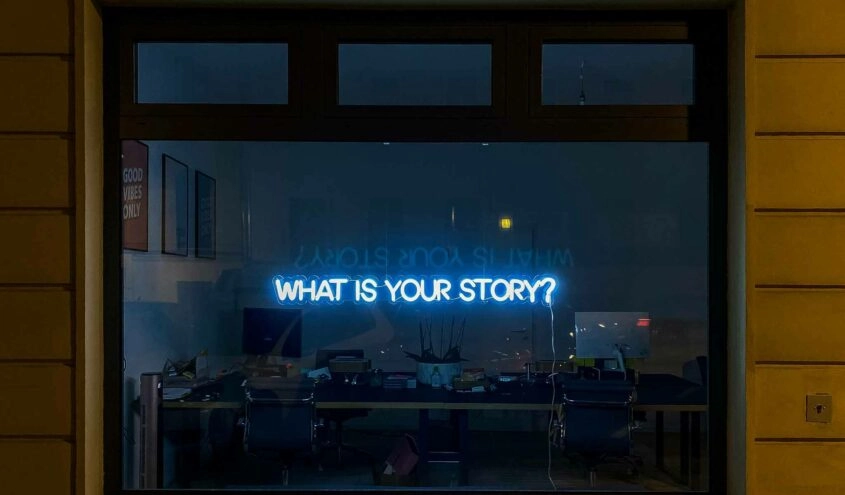
Storytelling is the art of telling stories to persuade and captivate. Oxygen, your communications agency, explains!
Storytelling is a term used to describe the act of telling a story with the goal of captivating, engaging, and persuading an audience. The purpose of the story is not to entertain, but to convey an emotion that leaves a lasting impression. This technique is particularly common in marketing to highlight a company’s values or mission.
A good story generally contains “key elements” that leave a lasting impression, such as characters with whom the audience can identify, a problem to be solved, an obstacle to be overcome, or a message or central idea that stays with the audience.
All of your communication efforts must be meaningful, have a specific goal, and be consistent with one another. The first step in storytelling is to ask yourself the right questions:
You need to know your target audience to understand who you’re speaking to and where to communicate. You may have the best story in the world, but if your target audience doesn’t see or hear it, it’s useless. Knowing your target audience is therefore essential for creating a narrative structure that resonates with them.
For example, some people will be more receptive to a story that explains how to solve a problem; others need to identify with a character; still others will visualize the “before and after” scenarios; and for some, an expert’s opinion will be what convinces them.
Don’t leave your audience hanging—it’s essential to conclude your story clearly and comprehensibly so as not to leave any doubts or unanswered questions.
By following these steps, even a short story can captivate and convince.
There are countless examples of storytelling; most large companies use this strategy:
And even if you’re a small business, you can still tell stories on your own terms. For example, here’s what a small bicycle brand could do:
“There’s a story here—one filled with emotions, a goal, and a mission: When I was 12, I dreamed of adventure, but I lived in a neighborhood where there was almost nothing to do. One day, my father gave me an old, rusty bike. At first glance, it wasn’t worth much. But as soon as I put my foot on the pedal, something changed.
Every day after school, I’d set out to explore the streets, the parks, and even the trails behind the hill. That bike taught me courage, freedom, and a love of adventure. Years later, I hadn’t just grown up—I’d discovered the world around me. And it all started with that bike…
Today, my bike brand is inspired by this story: to give everyone the chance to feel free and explore their world. Because a bike isn’t just an object. It’s the start of an adventure.”
Would you like to use storytelling in your communications? Oxygen guides you step by step to create stories that will highlight your brand’s personality and reach your target audiences.